Trending

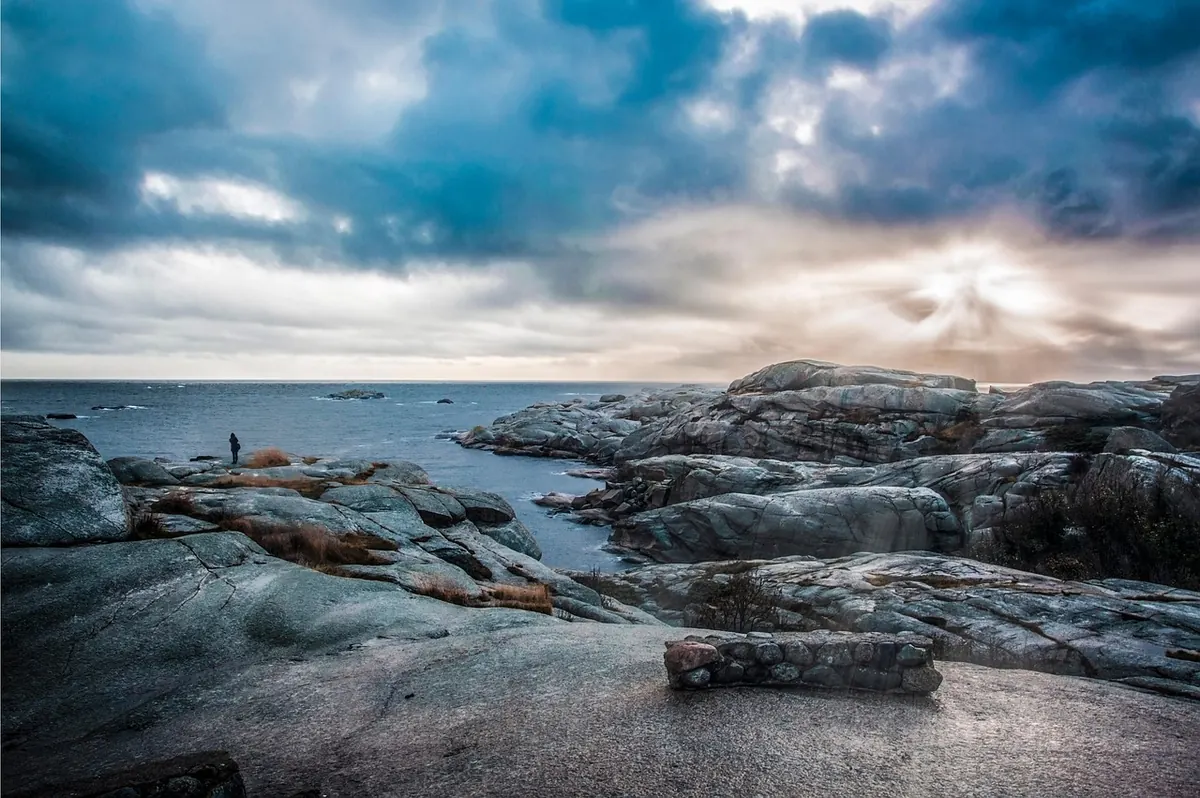
In March, the daffodils come first. The sheltered fields on St Mary's and St Martin's turn gold weeks before the mainland catches up, and the islands feel like somewhere that belongs to the people who live there rather than to the people who visit. By late October, the flower fields have been cut, the last gigs have been rowed, and the same quiet returns. Between those two moments sits the shoulder season — the stretch either side of summer when Scilly is at its most honest, and also at its most irregular.
That irregularity is the whole point of this guide. Visiting in April or early October is a different exercise from visiting in July. Plenty is open; plenty isn't. Knowing which is which saves you a lot of standing about on a quay.
Scilly has roughly 2,000 residents spread across five inhabited islands, and a summer population that multiplies. In June and August, the boats between St Mary's, Tresco, Bryher, St Martin's and St Agnes run full and the pubs fill early. In spring and autumn, you get the same white sand, the same turquoise shallows and the same hedged footpaths with a fraction of the company.
Accommodation is easier to find, and some places drop the minimum-stay rules that apply in high summer. The trade-off is real: fewer sailings, fewer opening hours, and a bit more forward planning. If you want a table at a particular restaurant on a Saturday, book it before you travel, not when you arrive.
Easter is the pivot. Before it, St Mary's is largely a working town — the Co-op, the bakery, a couple of pubs and the hardware shop, with most visitor-facing businesses still painting their shutters. After it, the island shifts up a gear, though not all at once. Some cafés and galleries open at Easter, others wait for the May half-term, and a few hold out until Whitsun.
The ferry from Penzance usually resumes its full season in late March or early April, and the inter-island boats begin linking all five inhabited islands rather than running a reduced winter pattern. Even then, check the day's timetable rather than assuming a service runs daily.
Two things to watch in spring. First, the World Pilot Gig Championships, held on St Mary's in early May, fills the islands; book transport and beds months ahead if your dates collide with it. Second, sea fog. Spring can bring flat, misty mornings that delay flights and, occasionally, the ferry. Build a spare day into your plans at each end if you can.
September and early October are arguably the best-value weeks of the Scilly year. The sea has spent all summer warming up, so swimming is at its most bearable, and the light is soft and long. The crowds have gone home, the hedgerows are full of blackberries, and the pubs feel like pubs again.
The wind-down is gradual but definite. Some seasonal businesses close after the first week of September, more after the October half-term, and by the time the ferry finishes its season in early November you're into a genuinely quiet island winter. Book late-season trips earlier rather than later, and confirm directly with any restaurant or attraction you have your heart set on.
There is no bridge and no tunnel. You arrive by sea or by air, and both options have quirks worth understanding before you book.
Whichever you choose, book the crossing before the accommodation. It's easier to move a cottage booking than a seat on a small plane, and the sailing you want may not run on the day you want it.
Scilly sits in the Gulf Stream, which is why the daffodils come early and frost is uncommon. It also means the weather changes quickly and rarely matches the forecast for Cornwall. Spring air temperatures often sit in the low teens; autumn can feel milder than the calendar suggests because the surrounding sea is at its warmest.
Pack for three seasons in one day: a waterproof shell, a warm mid-layer, something for sun, and shoes you don't mind getting muddy or wet. Add a torch for unlit lanes after dark and a tide table if you plan to walk the low-tide crossings, such as the sandbar between St Agnes and Gugh or the route between Tresco and Bryher. Those crossings are only safe in the window either side of low water, and the window is shorter than it looks.
Assume nothing opens by default. On the smaller islands, a café might open four days a week, a shop might close for lunch, and a boat might not run on Sundays. None of this ruins a trip — it just needs a different approach.
Decide your dates, then confirm three things in this order: transport, accommodation, and the one or two places you'd be disappointed to miss. If any of the three doesn't line up, move the dates. Shoulder-season Scilly rewards flexibility more than it rewards careful scheduling.
One last note on practicalities. St Mary's has the islands' main services, including a health centre and a pharmacy, but the smaller islands have very little. If you have ongoing medical needs or are travelling with young children, check what's available before you go and speak to a healthcare professional about anything you're unsure of. Travel insurance that covers inter-island travel and trip interruption is worth arranging early, not on the morning of departure.
Go for the emptiness, the early flowers, the long autumn light and the sense that you've arrived somewhere slightly out of step with the rest of the country. Just go with a timetable in your pocket and a plan B in your head.
Photo: Niewyrazisty / Pixabay