Trending


You find the perfect island hotel: whitewashed walls, a terrace facing the water, and a price that makes you reach for your card. Then you open the ferry timetable and realise the only sailing that fits your dates docks at a port an hour's drive from where you'd be sleeping. Booking a room on an island is less about the room and more about the boat. Here's how to check the practical details first, so the stay lives up to the pictures.
Before you look at a single room, open the ferry operator's timetable for your dates. Not the summer version — the one that applies in the month you're actually travelling. Island routes change with the season, and some shrink dramatically outside the school holidays. A crossing that runs four times a day in July might run twice a week in November, and not at all on Sundays.
Pay attention to two things. First, how many sailings there are per day, because that number decides how much of your holiday is spent working around the boat. Second, whether the island has more than one port. Plenty do, and they can be at opposite ends of a long, winding road. A hotel five minutes from the pier in the main village is a very different proposition if your ferry arrives at a second harbour on the far coast. Check the operator's route map against the hotel's address before you assume anything.
Once you have the timetable, write out the whole journey rather than just the crossing. It usually looks something like this:
Add the numbers up, then add a buffer. A useful rule is to aim for the sailing before the one you need. If you're arriving on a late boat, that buffer is the difference between a relaxed arrival and a scramble. Ask the hotel what happens if you miss the last crossing of the day, and have an answer ready before you travel, whether that's a mainland bed for the night or a friend who'll collect you.
Ferry luggage allowances are not like airline allowances, and they vary enormously. On some routes, foot passengers walk on with whatever they can carry and there's no formal limit. On others, particularly on smaller vessels, there may be a stated number of bags per person, limited trolley space, or a requirement to check larger items into a hold.
If you're taking a car, look at the vehicle dimensions the operator accepts and declare anything that adds height — a roof box, a bike rack, a trailer. Space on the car deck is measured, and turning up with an undeclared rack can mean being turned away or moved to a later sailing.
Think about the last hundred metres, too. Island harbours often mean steep ramps, metal gangways, cobbles or a flight of steps, and not every hotel has a lift. If you can't move all your luggage yourself in one trip, consider packing lighter or asking the hotel about porters and taxi firms that meet the boat. That question is worth asking at the booking stage rather than on a rainy pier.
Check-in deadlines are the detail most often skimmed over. Vehicles are usually asked to arrive well before departure, foot passengers a little later, but the exact figures vary by route and operator — a small island ferry with a short crossing may work to a tighter turnaround than a large mainland service. Read the specific sailing's instructions rather than assuming.
Then work backwards from the hotel's reception hours. Plenty of island hotels are small, family-run places where nobody is at the desk after a certain hour. Some offer self check-in with a key safe and a code; others simply can't. If your ferry is scheduled to dock at eight in the evening and reception closes at seven, that's a problem worth solving before you pay a deposit.
Island ferries get cancelled. Strong winds, heavy swell and low visibility can all stop a sailing, and some routes are far more exposed than others. This isn't a reason to avoid island travel, but it is a reason to build slack into the trip and to think about what a cancellation would cost you.
Flexible rates and free-cancellation terms usually cost more, and on a short winter break they may be worth it. If you're travelling for a specific event — a wedding, a family gathering — consider arriving a day early so a single missed boat doesn't ruin the plans. And read the terms of any travel insurance policy properly rather than assuming ferry disruption is covered; the wording matters, and if the sums involved are significant it's worth seeking proper advice before you commit.
Do a mock booking on the ferry site for your real dates. Note the sailing you'd take, the one before it and the one after. Write down the first and last crossings of each day, and the check-in time for each. Then choose the hotel that works with the middle of those options, not the one that only works if everything runs perfectly.
Save the timetable as a screenshot or a PDF, keep the hotel's phone number somewhere you can reach it without signal, and confirm the transfer arrangement in writing. Book the room with a clear idea of how you'll get there, and the island does the rest.
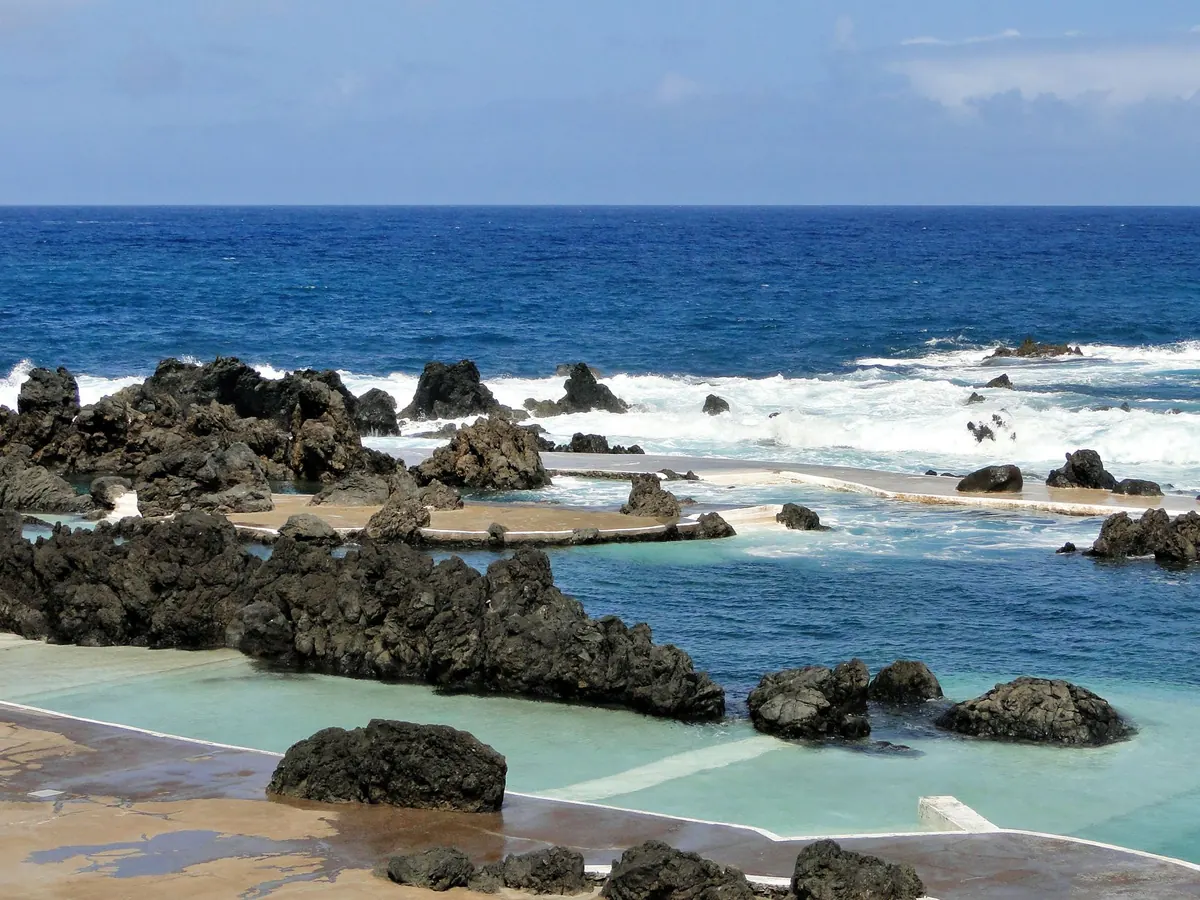
Photo: tomtr / Pixabay